
Biomechanical Analysis
Bridging the gap between physical mechanics and human physiology.
Insurance Claims: Biomechanical Injury Causation, Human Factors & Claim Validation
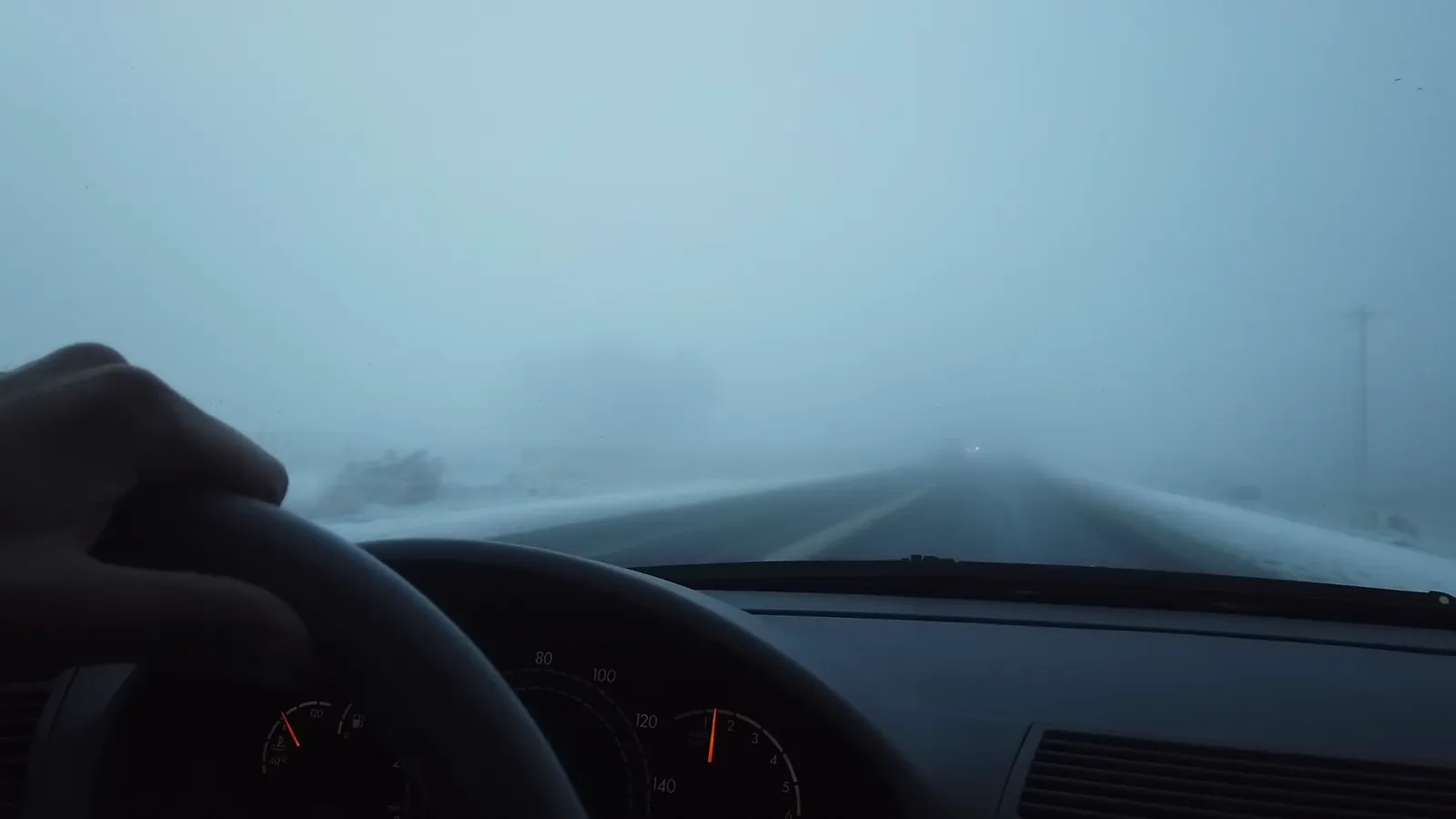
Insurance claims are formal requests for compensation following a covered loss, but the gap between a filed claim and a fair settlement is often filled with technical complexity. A successful claim relies on the submission of precise documentation and scientific evidence that withstands the scrutiny of policy terms and conditions.
At Vantage Forensics, we provide independent, data-driven analysis to help insurers and policyholders resolve claims with clarity and scientific integrity.
We provide forensic expe rtise across the most critical categories of insurance litigation:
Understanding the intricacies of the claims process is essential for ensuring that all parties receive the benefits and protections they are entitled to. Vantage Forensics bridges the gap between the incident site and the claims adjuster, delivering litigation-ready reports that translate complex physical evidence into actionable insights.
The Vantage Standard: We don’t just assess damage; we reconstruct the “how” and “why” to ensure that claims are settled based on scientific fact rather than speculation.
Bridging the gap between physical mechanics and human physiology.
We examine how people perceive, decide, and act in critical moments
Decoding physical evidence through physics, kinematics, and vehicle dynamics.
We present findings with clarity and authority before Judge and jury
Drowsy Driving & Fatigue Analysis: Dash Cam Video Evaluation, PERCLOS Eyelid Closure Metrics, Objective Impairment Validation, and Ocular Dynamics
Driver Behavior & Collision Reconstruction: Perception-Reaction Time (PRT) Variability, Unexpected Hazard Detection, Cognitive Workload, and Expectancy Violations
High-Speed Crash Analysis: Driver Inattention vs. Physiological Limitations, Visual Perception Thresholds, and the Science of Looming
Injury Biomechanics & Collision Reconstruction: Delta-V Analysis, Low-Speed Impact Severity, Occupant Kinematics, and Causation Assessment