.avif)
Biomechanical Analysis
Bridging the gap between physical mechanics and human physiology.
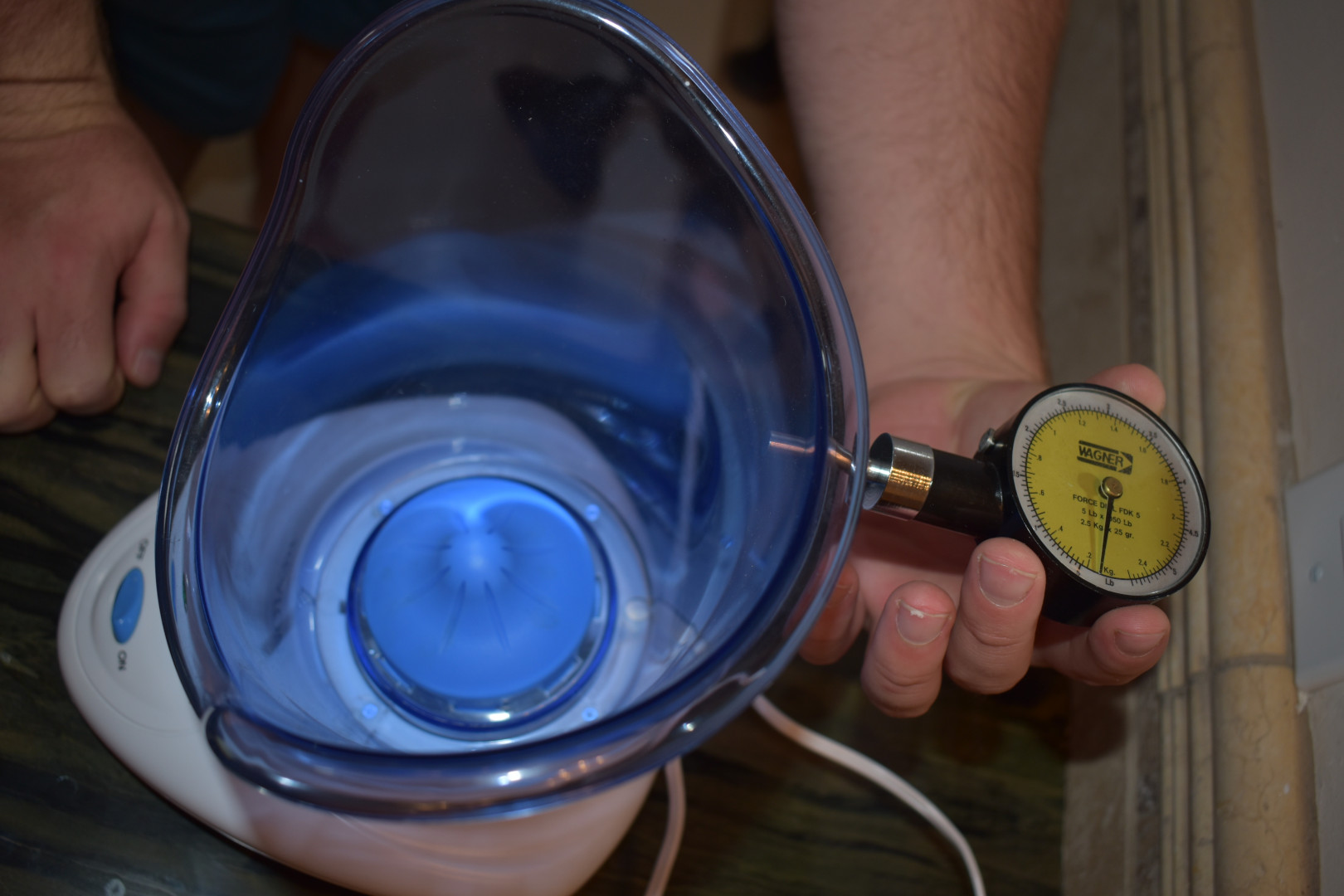
Analyzing Forces and Injury MechanismsBiomechanical analysis bridges the critical gap between the mechanical forces generated during an incident and the resulting physical impact on the human body. At Vantage Forensics, our bioengineering experts apply the laws of physics, engineering mechanics, and computational modeling to calculate the dynamic loads experienced by an individual and compare those forces against scientifically established human tolerance thresholds.
Whether evaluating cervical kinematics from a rear-end collision, head impact severity from a fall, or orthopedic loading from heavy machinery, our analyses are strictly rooted in peer-reviewed biomechanical literature, empirical crash testing, and validated physics-based modeling.
Core CapabilitiesWe provide scientific clarity on how external physical forces interact with human anatomy:
- Injury Causation & Mechanism: Determining whether the mechanical energy, acceleration profiles, and directional forces of an event were physically consistent with the specific injury mechanisms claimed.
- Occupant Kinematics: Analyzing the trajectory and movement of individuals within a vehicle or environment during an impact, including evaluating the engagement and effectiveness of seatbelts and safety restraint systems.
- Computational Biodynamic Modeling: Utilizing physics-based computational simulations (such as 1-DOF mass-spring-damper models) to calculate specific localized forces, such as axial loading and spinal compression.
- Low-Speed Impact Evaluation: Conducting specialized kinematic analysis of low-velocity collisions to determine the potential for injury based on calculated delta-V, impact duration, and force distribution.
- Slip, Trip, and Fall Biomechanics: Reconstructing the physics of a fall to evaluate gait dynamics, required coefficients of friction (COF), and biomechanical impact severity.
- Diagnosed Injury Correlation: Reviewing documented medical diagnoses and imaging reports to objectively evaluate whether the clinically claimed anatomical injuries are mechanically consistent with the physical data generated by the event.
- Force & Tolerance Thresholds: Comparing calculated incident forces against peer-reviewed biomechanical research and established agency standards (e.g., NIOSH guidelines) to validate or refute injury potential.
- Sports & Occupational Biomechanics: Evaluating injuries sustained during athletic activities or repetitive workplace tasks through an ergonomic and kinetic lens.
The Vantage Advantage in BiomechanicsIn personal injury and product liability litigation, the mechanical link between an accident and an injury is frequently the most fiercely contested issue. By seamlessly integrating our biomechanical analyses with Accident Reconstruction data and Cognitive Human Factors, Vantage Forensics provides a comprehensive, objective framework of the complete event sequence.
Forensic Precision: We do not simply evaluate the mechanical damage to the vehicle or the environment; we objectively calculate the physical impact on the person. Our reports are designed to withstand strict admissibility standards and judicial scrutiny, ensuring that every engineering conclusion regarding injury causation is firmly supported by the laws of physics and human biology.
Automotive Accident Reconstruction & Forensic Analysis
Driver Perception-Reaction Time, Visual Conspicuity and Nighttime Illumination, Hazard Detection, Expectancy Violations, and Human Factors Safety Analysis
Forensic Fraud Detection: Biomechanics & Human Factors Analysis
Forensic Fraud Detection & Insurance Claims: Biomechanical Injury Causation, Human Factors and Behavioral Analysis, Impact Force Kinematics, Staged Collision Reconstruction, and Objective Claim Validation
Workplace Safety
Workplace Safety & Human Factors Analysis: Foreseeable Users, Training, Industrial Safety, Hazard Management, Industrial Equipment, Workplace Design, Falls, and Chemical Exposure.
Premises & Environmental Safety
Premises & Environmental Safety: Slip/Trip and Falls, Environmental Design and Maintenance, Human Factors and Perceptual Limitations, Lighting and Visual Conditions, and Systematic Hazard Assessment
Related case studies
Human Perception and Biomechanics in Pinch Point Hazard Analysis
Product & Premises Liability: Pinch Point Hazard Analysis, Entrapment Biomechanics, Visual Conspicuity, and Human Factors Safety Engineering

Delta-V and Injury Biomechanics in Motor Vehicle Collisions: A Scientific Framework for Interpreting Crash Severity
Injury Biomechanics & Collision Reconstruction: Delta-V Analysis, Low-Speed Impact Severity, Occupant Kinematics, and Causation Assessment